Can Honey Replace Corn Syrup in Recipes?
A glossy caramel sauce, a chewy cookie, a pecan pie filling that slices cleanly - corn syrup does more in a recipe than simply add sweetness. So, can honey replace corn syrup? Often, yes. But the best answer depends on whether you want honey’s floral, rich character to become part of the finished flavor and whether the recipe relies on corn syrup for a very specific texture.
Honey is a beautiful swap when you want warmth, depth, and a more interesting finish in everyday baking, sauces, drinks, and glazes. It is less of a straight trade in delicate candy-making, where sugar chemistry is doing serious behind-the-scenes work. A few thoughtful adjustments can help you get the best of both ingredients - and a result worth putting on the table.
Can Honey Replace Corn Syrup? Start With the Job It Does
Corn syrup is commonly used because it is mildly sweet, smooth, and reliable. In baked goods, it brings moisture and softness. In sauces and fillings, it adds body and shine. In candy, it helps keep sugar crystals from forming, which is what gives caramels, fudge, and brittle their intended texture.
Honey can handle many of those jobs. It is a liquid sweetener with its own mix of natural sugars, and it brings moisture to cookies, cakes, bars, and quick breads. It can also give sauces a lovely sheen and help a glaze cling to roasted vegetables, chicken, or fruit.
The key difference is flavor. Light corn syrup is designed to stay in the background. Honey is not. Even a mild honey adds a recognizable note, ranging from soft floral sweetness to deeper caramel-like or herbal tones depending on the variety. That can make an ordinary recipe feel more memorable, but it may not be right for every dish.
Also, be sure the recipe calls for regular corn syrup, not high-fructose corn syrup. They are different ingredients. Most home recipes that say “corn syrup” mean the clear, thick pantry syrup sold for baking and candy-making.
The Easiest Honey-for-Corn-Syrup Swap
For many recipes, replace corn syrup with honey using a 1:1 substitution by volume. If a recipe calls for 1/2 cup corn syrup, start with 1/2 cup honey.
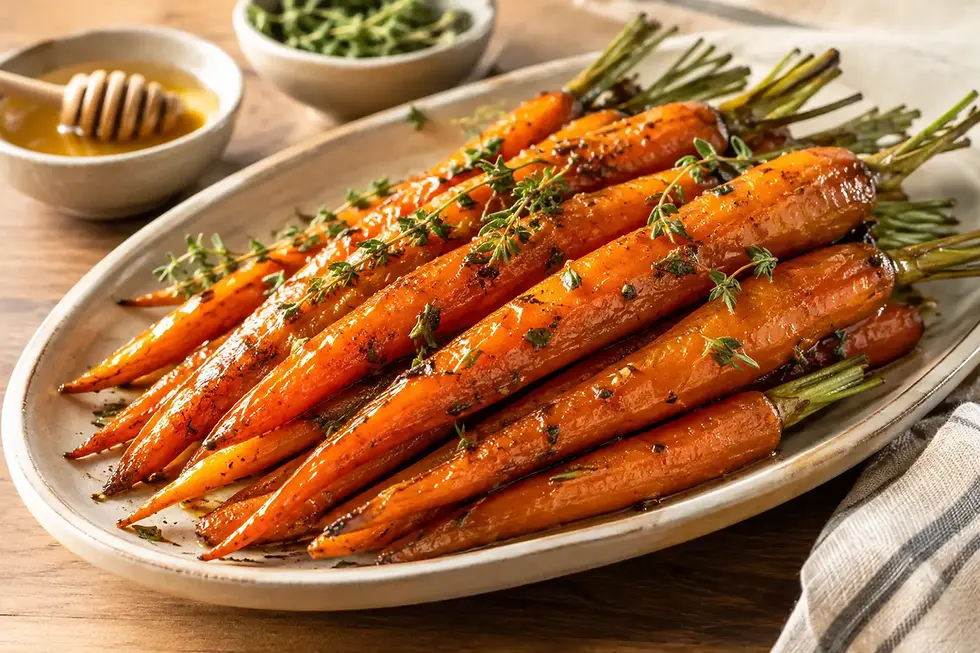
That simple swap works especially well in recipes where a little variation is welcome: barbecue sauces, salad dressings, fruit sauces, granola, chewy cookie bars, homemade coffee syrups, and glazes for baked ham or roasted carrots. Honey also brings a more layered sweetness to no-bake treats and snack mixes.
Because honey tastes sweeter and more flavorful than light corn syrup, you may prefer to use slightly less in recipes with several other sweet ingredients. Try using 2 tablespoons less honey for every cup of corn syrup, then taste where tasting is safe and practical. In a sauce, this is easy. In a cake batter, use the full amount the first time and make notes for the next batch.
Make Small Adjustments for Baking
Honey contains moisture and browns more readily than corn syrup. When replacing a full cup of corn syrup with honey in a baked recipe, reduce another liquid ingredient by about 1 to 2 tablespoons. This is a useful starting point, not a hard rule. A thick brownie batter may need no adjustment, while a tender quick bread may benefit from one.
Honey’s natural acidity can also affect a recipe that depends heavily on baking soda for lift. For each cup of honey used, adding about 1/8 teaspoon of baking soda can help balance the batter. Do not add it automatically if the recipe already contains acidic ingredients such as buttermilk, yogurt, citrus juice, or brown sugar. Baking is a conversation between ingredients, not a one-size-fits-all formula.
Keep an eye on color, too. Honey encourages browning, so cookies can turn deeply golden before their centers are fully set. Check baked goods a few minutes early. If your oven tends to run hot, lowering the temperature by 25 degrees Fahrenheit can be helpful for longer bakes, especially cakes and quick breads.
Where Honey Shines
Honey is at its best when the recipe gives its flavor room to show up. A spoonful can round out a vinaigrette with a gentle floral finish. It can make a simple lemon glaze taste more complete, or turn a basic latte into something that feels made for a slow morning.
In cookie recipes, honey creates a softer, chewier texture and a deeper color. It is particularly good with oatmeal, peanut butter, ginger, cinnamon, toasted nuts, and dried fruit. In granola, it helps clusters form while adding a toasted sweetness that plays well with seeds and warm spices.
For savory cooking, honey can replace corn syrup in glazes and sauces with excellent results. Whisk it into a mustard glaze, a spicy wing sauce, or a soy-ginger marinade. Add it toward the end of cooking or watch the heat closely, since sugars can darken quickly in a hot pan.
Infused honey takes this idea a step further. A flavored honey from Bee-utiful Infusions can bring an extra layer to a cocktail syrup, a cheese-board drizzle, or a glaze, turning one pantry swap into a flavor choice. Just choose an infusion that complements the recipe rather than competing with it.
When Corn Syrup Is Still the Better Choice
Candy-making is where the swap deserves the most caution. Corn syrup is valued for consistency and its ability to manage crystallization. Honey has similar qualities in some recipes, but it is not identical. Its water content, flavor, and sugar balance vary by variety, which can shift the way a candy sets.
For hard candy, lollipops, peanut brittle, divinity, marshmallows, and finely textured fudge, a tested recipe is your friend. Replacing all the corn syrup with honey may produce a delicious result, but it may also change the firmness, chew, clarity, or set. If you are making treats for a special occasion, use a recipe developed specifically for honey rather than making a full substitution on the fly.
Pecan pie is another “it depends” situation. Honey can replace corn syrup and create a rich, distinctive filling, but expect a darker color and a noticeable honey flavor. The filling may also bake up slightly softer depending on the rest of the recipe. That can be wonderful with toasted pecans and vanilla, especially if you prefer a less neutral sweetness.
Honey is also not the best match when you need a perfectly clear glaze or a nearly flavorless sweetener. In those cases, corn syrup has a practical advantage because it lets other flavors take center stage.
Choosing the Right Honey for the Recipe
A mild, light-colored honey is the easiest all-purpose choice for baking. It adds sweetness without overwhelming vanilla, citrus, berries, or delicate spices. Use a darker, more assertive honey when you want it to be noticed - think gingerbread, molasses-style cookies, barbecue sauce, apple desserts, or a glaze for roasted squash.
Before committing to a large batch, taste the honey on its own. Does it feel bright and floral? Deep and malty? Slightly herbal? That quick spoonful tells you more than the color alone. Pair the honey with flavors that echo it, and the substitution will feel intentional rather than accidental.
If your honey has crystallized, gently warm the jar until it returns to a pourable consistency before measuring. Measure it in a lightly oiled cup or spoon, and it will slide out far more easily.
A Better Swap Is a Flavor Decision
Replacing corn syrup with honey is not just about using what is already in the pantry. It is an opportunity to decide what kind of sweetness you want. Corn syrup offers consistency and a neutral finish. Honey offers personality, aroma, and a little golden complexity.
Start with a recipe that welcomes that character, make one small batch, and pay attention to color, texture, and sweetness. The next time you drizzle honey into a glaze or fold it into a cookie dough, you may find that the substitute is not merely workable - it is the reason the recipe becomes a favorite.