How to Choose Baking Honey for Better Results
A jar of honey can do much more than sweeten a recipe. It can make banana bread taste warmly floral, give granola a crisp golden edge, or turn a simple glaze into the part everyone remembers. Knowing how to choose baking honey helps you get those delicious details right without letting the honey overpower the rest of the recipe.
There is no single honey labeled for every baking project. The best choice depends on what you are making, how much honey the recipe uses, and whether you want the finished treat to taste lightly sweet, richly caramelized, or unmistakably honey-forward. Start with flavor, then consider color, texture, and how honey changes the chemistry of the bake.
Choose Baking Honey by the Recipe
Honey is naturally sweet, but it also brings moisture, acidity, and its own personality. That means a honey that shines in a buttery biscuit may not be the one you want in a delicate vanilla cake.
For everyday cookies, muffins, quick breads, and snack cakes, choose a mild or medium-bodied honey. Clover-style and lighter wildflower honeys tend to blend easily with familiar flavors like vanilla, cinnamon, oats, apple, and chocolate. They sweeten without taking over, which is especially useful when a recipe already has plenty going on.
For recipes built around warm, cozy ingredients, a fuller honey can be a beautiful match. Think gingerbread, spice cake, baked pears, carrot cake, roasted nuts, or a brown butter glaze. Amber honey often brings deeper notes that feel at home with cinnamon, ginger, toasted pecans, and dark chocolate.
Save bold, dark honey for recipes that can meet it with equally confident flavors. Buckwheat or very dark wildflower honey can be earthy, malty, and intense. A little can add real depth to rye bread, molasses cookies, barbecue glaze, or a cocoa-rich loaf cake. In a pale sugar cookie or light lemon cake, though, it may taste heavier than you intended.
The simplest rule is this: the quieter the recipe, the more clearly you will taste the honey. Let a light, tender cake keep its delicate character. Let a dark spice loaf welcome something richer.
Flavor Comes Before Color, but Color Gives a Clue
Honey color is not a strict flavor chart, but it is a helpful starting point. Lighter honey is usually milder and more floral. Golden and amber honey often tastes rounder and more caramel-like. Dark honey can carry bolder, toastier, sometimes almost molasses-like notes.
Color also affects the finished look of your bake. Honey encourages browning, so an already-dark honey can make a blondie, granola, or loaf turn deeply golden fast. That is often exactly the point, especially for rustic breads and nutty treats. For vanilla cupcakes or a pale shortbread, a lighter honey helps preserve the color you had in mind.
If you are trying a new jar, taste a small spoonful before it goes into the mixing bowl. Notice whether it feels floral, fruity, buttery, woody, tangy, or deeply toasted. Then imagine that flavor next to the other ingredients. A good baking choice is less about finding the “best” honey and more about finding the right partner for the recipe.
Understand What Honey Changes in Baking
Honey is not simply liquid sugar. It holds onto moisture, which can keep baked goods soft and tender for longer. It also browns more readily than granulated sugar and brings a gentle acidity to the batter or dough.
Those traits are wonderful, but they call for a little adjustment when you are converting a recipe. If you replace all of the sugar with honey without changing anything else, cookies may spread more, cakes may brown too quickly, and the crumb can become denser or wetter than expected.
As a starting point, replace 1 cup of granulated sugar with about 2/3 to 3/4 cup honey. Reduce another liquid in the recipe by roughly 1/4 cup for each cup of honey used. Because honey browns quickly, lowering the oven temperature by about 25 degrees Fahrenheit can help, particularly for cakes, muffins, and quick breads.
Some bakers also add a small amount of baking soda when using a substantial amount of honey, since soda can balance acidity and support browning. This is most useful when you are adapting a recipe yourself, not when you are following a tested formula that already calls for honey. Baking is delicious chemistry, but it is still chemistry.
For a first experiment, swap only part of the sugar rather than all of it. Replacing one-third to one-half of the sugar lets you enjoy honey's flavor and tenderness while keeping the original recipe's structure close to familiar territory.
Pick a Texture That Works at the Pace of Your Kitchen
Runny honey, creamy honey, and crystallized honey can all bake beautifully. What matters is measuring accurately and incorporating it well.
Liquid honey is easiest for batters, sauces, and glazes. Lightly oiling or spraying your measuring cup first helps the honey slide out instead of clinging to the sides. If a recipe needs the honey blended with butter, eggs, or another wet ingredient, stir until the mixture looks smooth and unified before adding flour.
Creamed honey is still honey, just with a fine, spreadable crystal structure. It is lovely in scones, biscuit dough, or recipes where you want to cream it with softened butter. It may need a moment of gentle warming if you need a pourable consistency, but avoid high heat that can scorch it or flatten its flavor.
Crystallized honey is not a failed jar. It is a natural change in texture and is perfectly useful for baking. Set the jar in warm water and let it loosen gradually, stirring as needed. A slow, gentle warm-up is kinder to both the honey and your hands than blasting it in a microwave.
Use Infused Honey with a Little Intention
Infused honey can bring a memorable twist to baking, but its flavor works best when it has a clear role. Vanilla-infused honey feels right at home in blondies, cinnamon rolls, coffee cake, and whipped butter. Citrus-infused honey can brighten lemon loaf, shortbread, fruit crisps, or a glaze for berry scones. A warm-spiced infusion can make plain oatmeal cookies or roasted stone fruit feel more finished.
When baking with an infused honey, pair it with supporting ingredients instead of piling on competing extracts and spices. If the honey has vanilla character, you may not need as much vanilla extract. If it carries citrus notes, ease up on extra lemon oil or zest until you taste the batter. The goal is not to make every flavor louder. It is to make the finished bite more interesting.
Bee-utiful Infusions approaches honey this way: as an everyday pantry ingredient with room for a little surprise. A thoughtful flavor can turn a familiar recipe into something guests ask about, while still letting the bake feel comforting and recognizable.
Match Honey to the Baking Method
Baked goods are only one part of the picture. Honey behaves differently in a cookie dough than it does brushed over pastry or simmered into a glaze.
For yeast breads, honey feeds the dough's fermentation and lends color to the crust. A mild honey is usually the most flexible choice, especially in sandwich loaves, dinner rolls, and cinnamon buns. In rustic whole-grain breads, a darker honey can add welcome depth.
For cookies, honey creates chew and color. Choose a mellow honey for soft oatmeal cookies, peanut butter cookies, and chocolate chip dough. Use a stronger honey in ginger cookies, sesame crisps, or recipes with browned butter and nuts. Keep an eye on the oven, because the edges can darken before the centers look fully set.
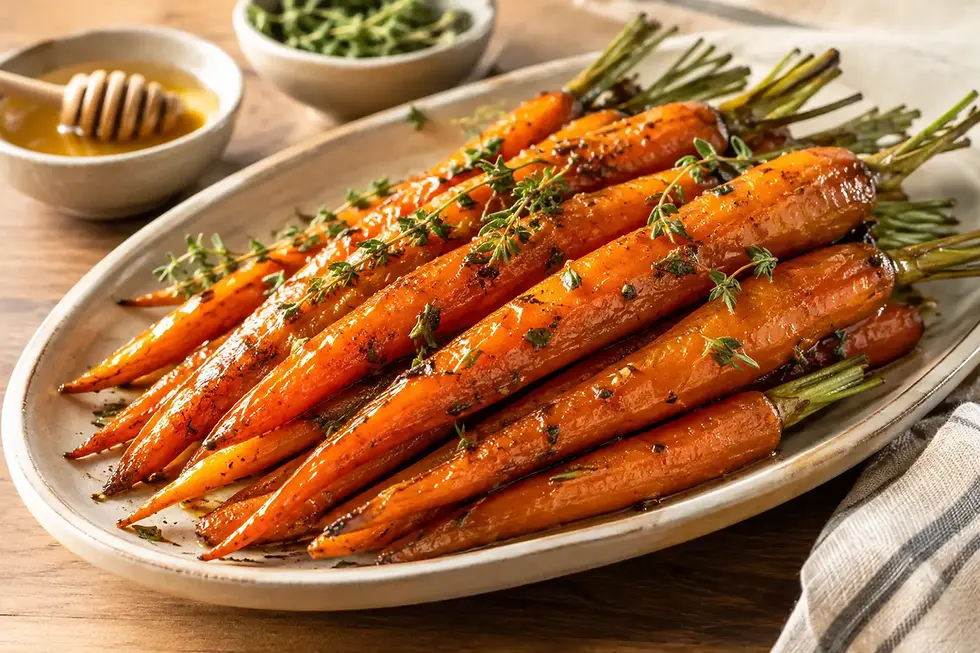
For glazes and finishing touches, choose for flavor first. This is where the honey will be most noticeable. A floral honey can make a simple lemon glaze taste fresh and bright, while a darker amber honey can give roasted carrots, baked ham, or a fruit tart a glossy, deeper finish. Add honey late in high-heat roasting when possible, since it can caramelize quickly.
A Few Signs You Have Chosen Well
The right honey should make the recipe taste more like itself, not less. Apple muffins should still taste like apples, but warmer and rounder. Chocolate brownies should still be chocolatey, with a subtle toasted sweetness behind them. A citrus glaze should taste bright, not just sugary.
If a finished bake seems too dark, reduce the oven temperature slightly next time or choose a lighter honey. If it tastes flat, try a honey with a little more character or use it where its flavor is more visible, such as a glaze, drizzle, or filling. Small changes are often all it takes.
Keep a couple of honey styles in your pantry if you bake often: one light and versatile, one amber and more expressive. Then let the season, the recipe, and your own curiosity choose the jar. That is how a simple spoonful of honey becomes the detail that makes a homemade treat feel especially worth sharing.