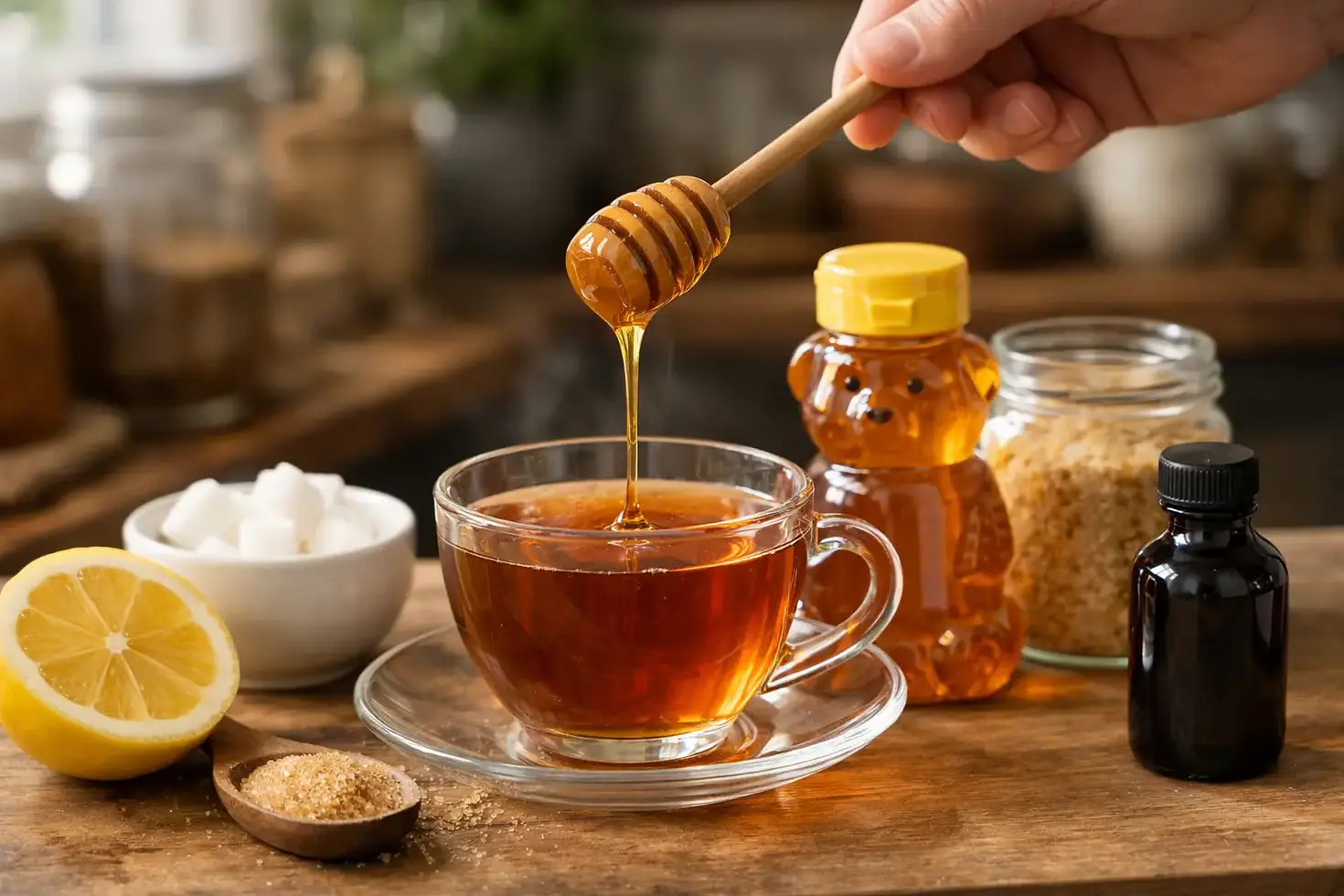
How to Sweeten Tea With Honey Without Losing Flavor
A cup of tea can turn flat in a hurry when the sweetener covers up the very leaves, herbs, or fruit notes you chose it for. Learning how to sweeten tea with honey is less about making it sweeter and more about finding a balance: enough honey to soften bitterness and add a warm floral note, but not so much that every cup tastes the same.
Honey brings its own character to the mug. Its flavor can be delicate and lightly floral, deep and caramel-like, or bright with citrus and spice when it is infused. That makes it a beautiful pantry ingredient for tea drinkers who want a cup that feels considered, comforting, and still easy to make on a busy morning.
How to Sweeten Tea With Honey for the Best Flavor
Start by brewing the tea as you normally would, then give it a brief moment to cool before adding honey. You do not need to wait until the tea is cold. The goal is simply to avoid pouring honey into a vigorously boiling cup, where delicate aromatic notes can fade quickly and it can be harder to judge how sweet the tea will taste.
For an eight-ounce mug, begin with 1 teaspoon of honey. Stir thoroughly, taste, and add another 1/2 teaspoon if needed. This gradual approach matters because honey is usually perceived as sweeter than granulated sugar, and its flavor becomes more noticeable as the tea cools.
Use a spoon to stir along the bottom and sides of the cup. Honey is thicker than sugar and can settle at the bottom, especially in cooler tea. If you are sweetening a full pot, mix the honey first with a few tablespoons of warm tea in a small cup or pitcher, then stir that mixture back into the pot. This helps distribute it evenly without over-stirring the leaves.
The tea itself should lead the decision. A bold black tea can carry more honey than a delicate white tea. Strongly steeped tea may need a touch more sweetness, while a naturally fruity herbal blend may need very little at all. If your first sip tastes heavy, add a splash of hot water rather than more tea. It will loosen the sweetness while keeping the cup pleasant.
Choose Honey That Complements Your Tea
The most satisfying cups are built around matching flavors, not simply adding sweetness. Think of honey as a finishing ingredient with its own aroma and personality.
Black tea and breakfast blends
Black tea has body, tannin, and often a malty or brisk finish. It stands up well to richer honey flavors, including vanilla, cinnamon, and warm spice. A teaspoon of vanilla-infused honey can round out an English breakfast-style tea, while cinnamon honey gives a simple black tea the cozy feel of a bakery treat without turning it into dessert.
For an afternoon cup, try honey with a small splash of milk or oat milk. Add the honey before the milk so you can taste the sweetness clearly. The creaminess softens the tannins, so you may find you need less honey than expected.
Green tea and white tea
Green and white teas are more delicate. Their grassy, fresh, nutty, or lightly floral notes can disappear under a heavy hand. Begin with 1/2 teaspoon of a mild honey, then taste. A bright berry or citrus-inspired infused honey can be especially lovely with green tea, but use it sparingly so the tea remains recognizable.
Temperature matters even more here. Green and white tea are often brewed below a full boil, and adding honey after a short rest preserves a cleaner, more layered flavor. If the tea is bitter, check your steep time and water temperature before reaching for extra honey. Too much sweetness can hide the problem, but it will not improve the brew.
Herbal and caffeine-free tea
Herbal teas offer plenty of room to play. Chamomile welcomes honey’s floral side. Peppermint becomes rounder and more soothing with a small spoonful of mild honey. Rooibos, with its naturally warm, slightly sweet profile, pairs beautifully with vanilla or cinnamon notes.
Fruit-forward herbal teas can be surprisingly sweet on their own. Taste them first. If they need more depth rather than more sugar-like sweetness, choose an infused honey that echoes one note in the blend, such as berry with hibiscus or vanilla with apple and spice. One intentional flavor pairing is usually enough.
Chai and spiced tea
Chai is an easy match for honey because its spices already create warmth and complexity. A classic plain honey works well, but cinnamon or vanilla-infused honey can make the cup feel especially generous. Add honey after steeping and before milk, then taste again after the milk is added. Dairy and nondairy milk both soften spice, which can change how sweet the tea seems.
The Right Temperature for Honey in Tea
There is no need to make tea lukewarm before adding honey. Warm tea is ideal for dissolving it. A practical rule is to let freshly boiled tea sit for a minute or two, or wait until it is comfortably hot rather than actively steaming hard, then stir in the honey.
This small pause also makes tasting easier. A very hot drink can dull your sense of sweetness. When the tea cools slightly, honey’s floral, fruit, vanilla, or spice notes become clearer. You can sweeten with more confidence and avoid an overly sugary mug.
For iced tea, do not try to dissolve honey directly into a cold glass. Instead, stir honey into a small amount of warm brewed tea until smooth, then add it to the chilled tea and ice. This creates a more even drink and prevents that last concentrated sip at the bottom of the glass.
Common Mistakes That Make Honey Tea Taste Off
The most common mistake is adding too much honey before tasting the tea on its own. A tea that tastes assertive while hot can become balanced as it cools, especially with herbal blends and quality loose-leaf tea. Start small and give the cup a moment.
Another is pairing a bold infused honey with a fragile tea. A rich cinnamon or vanilla honey can be wonderful, but it may overwhelm a subtle white tea. Save the more expressive flavors for black tea, chai, rooibos, or coffee-like herbal blends. With delicate tea, reach for mild honey or use only a scant 1/2 teaspoon.
It also helps to avoid treating honey as a fix for a poorly brewed cup. If tea is harsh or bitter, shorten the next steep, use slightly cooler water, or reduce the amount of tea leaves. Honey can balance bitterness, but it cannot restore the fresh, clear character that comes from proper brewing.
Finally, remember that honey changes the body of tea as well as its sweetness. It adds a soft, silky weight that is lovely in some cups and less welcome in others. If you want just a hint of sweetness in a crisp green tea, use less honey and let the tea’s natural finish stay bright.
Make a Simple Cup Feel Special
A well-sweetened tea does not need a complicated ritual. Brew it with care, add honey a little at a time, and choose a flavor that belongs with the leaves in your cup. Small-batch infused honey makes this everyday moment especially inviting, offering a simple way to vary your tea shelf without crowding it with extra ingredients.
At Bee-utiful Infusions, handcrafted honey flavors are made for those small decisions that turn an ordinary mug into something worth lingering over. Keep a favorite spoon nearby, taste before adding more, and let the season, the tea, and the people gathered around your table guide the next cup.